All Categories
Featured
Table of Contents
- – Innovative Senior Care
- – What Is In-Home Alzheimer's Care and Why Does ...
- – Understanding the Basics of Dementia Care at ...
- – How It Differs from Facility-Based Memory Care
- – Key Benefits for Early and Mid-Stage Alzheim...
- – Common Reasons Families Choose Home-Based Sup...
- – Preserving Familiar Routines and Independence
- – What Are the Early Signs of Alzheimer's and Wh...
- – Recognizing Warning Signs in Daily Life
- – Memory Lapses vs Normal Aging
- – Behavioral Changes That Signal Need for Help
- – Timing Your Decision for Home Support
- – Family Caregiver Burnout Indicators
- – How Much Does In-Home Alzheimer's Care Cost in...
- – Breaking Down Hourly and Monthly Rates
- – Comparison to Facility Memory Care Costs
- – Factors Influencing Your Personalized Quote
- – Add-Ons Like Medication Reminders or Respite
- – What Are the Stages of Alzheimer's and How Doe...
- – Early-Stage Support for Independence
- – Cognitive Stimulation and Companionship
- – Mid-Stage Focus on Safety and Routines
- – Wandering Prevention Strategies
- – Daily Living Assistance Details
- – Late-Stage Compassionate Care
- – Palliative and Emotional Wellness
- – How Can In-Home Alzheimer's Care Keep Your Lov...
- – Essential Home Safety Assessments
- – Fall Prevention and Mobility Support
- – Wandering and Emergency Prevention
- – Daily Wellness Checks and Response Setup
- – Home Modification Recommendations
- – What Specialized Services Are Included in Top-...
- – Personal Care and Daily Assistance
- – Hygiene, Grooming, and Mobility Aid
- – Cognitive and Lifestyle Engagement
- – In-Home Art/Music Therapy and Activities
- – Respite and Family Caregiver Support
- – Training and Emotional Wellness Workshops
- – Why Choose In-Home Over Other Alzheimer's Care...
- – Key Comparisons Table Guidance
- – Addressing Common Concerns
- – Real Families Share Their Experiences with In-...
- – Stories of Reduced Worry and Maintained Joy
- – We Can Help! Contact Us Today
- – Frequently Asked Questions About In-Home Alzhe...
- – Innovative Senior Care
Innovative Senior Care
77564 Country Club Dr Ste 228/230 Palm Desert, CA 92211(760) 469-4999
Innovative Senior Care
In-home Alzheimer's care offers customized non-clinical assistance directly into the home for people living with Alzheimer's disease or associated forms of dementia. This method focuses on social presence, daily living support, secure oversight, and emotional well-being, enabling loved ones to continue in a familiar environment that often lowers bewilderment, agitation, and emotional fluctuations. Families frequently look for this choice to prevent the stress of transition while addressing evolving needs through tailored routines and professional help. According to the Alzheimer's Association, staying in a recognized setting can lower anxiety and support better quality of life compared to unfamiliar facilities. Guidance from the National Institute on Aging underscores how steady in-residence support preserves independence longer, lightening family pressures through respite and structured assistance. This all-inclusive care model encompasses all aspects from medication reminders and mobility aid to cognitive activities and wandering prevention, positioning it a practical choice for a great number in Coachella Valley and elsewhere.
The psychological burden on partners, grown children, and near family members can feel devastating—constant worry about security, self-blame over limitations, dread that a loved one’s personality is slipping away, and the complete exhaustion of trying to manage everything alone. However in-home Alzheimer's care presents optimism by preserving daily patterns intact, environment comforting, and relationships strong. It changes worry into manageable support, enabling precious moments without continual anxiety. This path resonates with what numerous families look for: compassionate solutions that honor dignity and independence while providing dementia care at home. To learn more into how families are finding balance, explore our real stories from local families.
What Is In-Home Alzheimer's Care and Why Does It Matter?
In-home Alzheimer's care refers to trained supportive support given by caregivers who come to the elder’s residence to assist with routine needs while honoring the senior’s likes, background, and tempo. Different from facility-based programs, this service style keeps the person in the setting they are most familiar with—surrounded by their own possessions, established routines, and familiar sights and sounds that enable anchor memory and lessen disorientation. Support providers deliver companionship services, kind reminders, protective oversight, and practical help with chores that become difficult, all while promoting psychological closeness and dignity. The significance lies in its power to postpone or prevent the need for facility living, which a great number families regard emotionally disruptive and financially burdensome.
Understanding the Basics of Dementia Care at Home
Dementia care at home is built around person-centered principles—meeting the person where they are rather than enforcing inflexible protocols. Support strategies adjust to variable symptoms, including versatility that institutional settings rarely match. This approach upholds not only bodily requirements but also emotional and social well-being, which are often missed in more institutional care environments. To learn more specifics on how we match caregivers to specific needs, visit our senior care services overview.
How It Differs from Facility-Based Memory Care
In-home support removes the pressure of moving, new staff, and shared living spaces that can spark increased confusion or pushback. Research consistently shows decreased irritability when individuals remain in comforting settings. Residential programs frequently involves shared events and fixed routines that might not fit with personal preferences. In contrast, in-home Alzheimer's care provides one-on-one attention and full tailoring. Relatives keep influence over daily patterns, company, and meals—elements that greatly influence comfort and behavior.
Key Benefits for Early and Mid-Stage Alzheimer's
In early and mid-stages, the priority continues on preserving cognitive function and independence. Consistent emotional support and cognitive stimulation activities help maintain cognitive clarity, while subtle assistance prevents irritation from forgotten tasks. This preventive support commonly postpones progression of dependency, allowing more valuable time with family. Numerous note better emotional state and reduced conduct issues when care takes place in the home setting.
Common Reasons Families Choose Home-Based Support
Relatives choose dementia care at home to respect a loved one’s preference to stay in their own home, escape the emotional trauma of moving, and keep control over daily life. The flexibility to blend care seamlessly into existing routines makes it desirable for those juggling work, other children, or own well-being. Pricing adaptability also plays a role—limited hours assistance can be more affordable than constant facility living.
Preserving Familiar Routines and Independence
Daily patterns supply organization and comfort, reducing anxiety in people with memory impairment. When support providers respect usual habits—eating times, evening customs, beloved spots—seniors feel more secure and less confused. Autonomy is bolstered through reinforcement rather than takeover, fostering self-worth and slowing decline. This harmony is a key element of effective in-home Alzheimer's care.
Industry data from the Alzheimer’s Association shows that seniors who age in place with suitable support face less frequent hospital stays related to behavioral crises. The emotional payoff for families is considerable—less guilt, more quality time, and reclaimed strength. In-home Alzheimer's care bridges the gap between handling it independently and residential programs, presenting a balanced solution that upholds both safety and heart. If this resonates with your situation, visit our company overview to find out more about our method. You can also genuine feedback on our family reviews section.
What Are the Early Signs of Alzheimer's and When to Consider In-Home Care?
Timely identification of Alzheimer's disease signs enables families to implement support before well-being becomes jeopardized or family exhaustion sets in. In-home Alzheimer's care is commonly the ideal first step when independence is still solid but support would avoid future crises. Recognizing changes early enables for smoother integration of help while preserving dignity.
Recognizing Warning Signs in Daily Life
Recall difficulties, decision-making problems, and emotional changes often emerge gradually and can be misinterpreted for normal aging at first. Monitoring patterns over several weeks to months helps distinguish problematic shifts from temporary strain or fatigue. Noticing how these influence daily function offers the clearest picture.
Memory Lapses vs Normal Aging
Occasional forgetfulness is common, but frequent absence of recent information, difficulty following conversations, or leaning strongly on lists for routine tasks signals more than ordinary age-related change. Misplacing items frequently and being incapable of recalling locations is another red flag. These patterns interfere with normal independence and call for professional evaluation.
Behavioral Changes That Signal Need for Help
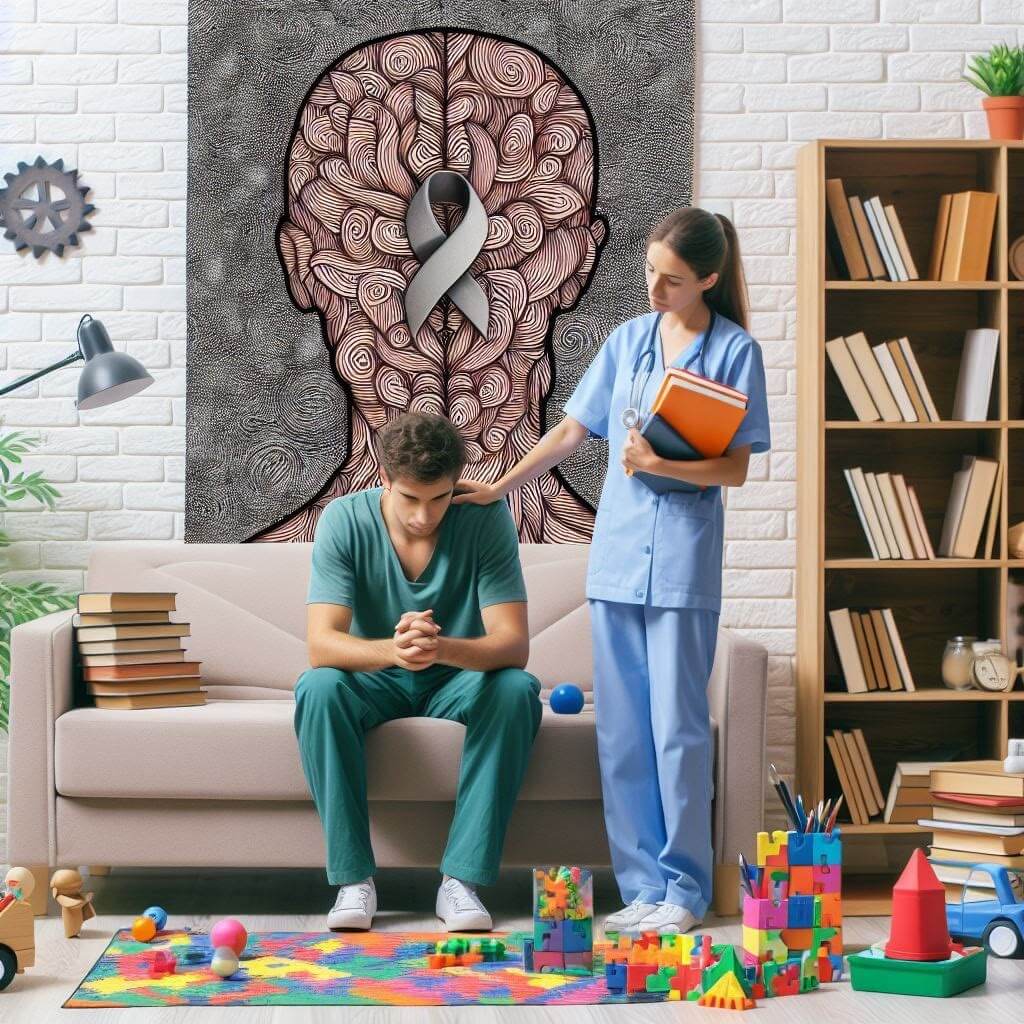
Restlessness, lack of interest, reduced social engagement, or unusual distrust can appear as the disease impacts emotional regulation. Unsafe choices, such as wearing inappropriate clothing or ignoring personal care, often goes along with these shifts. Risky actions—leaving hazards active or wandering in known areas—show immediate support needs.
Timing Your Decision for Home Support
The best timing differs by family, but key indicators include protection needs, rising helper fatigue, or frequent occurrences that create anxiety. Starting care early prevents worsening and enables the individual to adjust gradually to assistance. Waiting until a crisis often leads to hasty choices and greater tension.
Family Caregiver Burnout Indicators
Persistent tiredness, frustration with caregiving duties, overlooking own well-being, or sense of loneliness are common markers that help is needed. Family caregiver condition straightforwardly impacts the level of assistance provided—when the lead supporter is exhausted, all involved suffers. Recognizing these signals early preserves the entire family unit.
The NIA suggests that prompt support with home support can significantly better long-term outcomes. Intervening early maintains routines, decreases crisis frequency, and protects relationships. Gentle invitation: If you're seeing these signs, a conversation can help determine when and how to begin. See our Alzheimer's spouse home care setup guide for practical next steps.
How Much Does In-Home Alzheimer's Care Cost in California?
Pricing clarity is essential for families preparing long-term support. In California, hourly rates for in-home Alzheimer's care typically range from $30 to $40 when expert dementia skills is required. Part-time weekly support (approximately 40 hours) commonly adds up to $5,500 to $7,000 per month, though many families begin with fewer hours and increase gradually as needs change. These figures consider caregiver expertise, local factors within the state, and any supplementary demands such as extended hour support.
Breaking Down Hourly and Monthly Rates
Rate per hour takes into consideration the expert abilities needed to address dementia-related behaviors safely and compassionately. Cumulative costs fluctuate significantly based on whether care is part-time, whole day, or live-in. Flexibility in scheduling allows families to fit costs to specific demands and budgets, unlike set facility rates.
Comparison to Facility Memory Care Costs
Dementia care centers in California often range from $7,000 to $10,000 or more per month, frequently with additional fees for higher levels of assistance. These expenses cover room and board but frequently provide less individualized attention and demand relocation, which involves psychological and transition expenses not shown in the price tag. Home care typically provides superior cost-effectiveness for families prioritizing familiarity and personalization.
Factors Influencing Your Personalized Quote
Individual requirements significantly affect final pricing—overnight care commands elevated fees than regular daytime assistance, while specialized behavioral support or wellness addition adds to the cost. Location factors within the service area, visit regularity, and any required medical equipment coordination also play roles. Transparent agencies provide detailed breakdowns so families can make smart selections.
Add-Ons Like Medication Reminders or Respite
Services such as medication reminders, respite care, or cognitive activities generally add small increases per hour or session. These focused enhancements frequently prove more cost-effective than delaying until a more extensive assistance becomes necessary. Caregivers welcome the option to tailor without being tied to unnecessary hours.
Innovative Senior Care focuses on transparent, no-pressure pricing discussions so families can plan confidently. Soft CTA: Contact us for a complimentary personalized estimate that fits your specific situation. For a broader look at senior care pricing, visit our cost breakdown for 24/7 in-home senior care.
What Are the Stages of Alzheimer's and How Does Home Care Adapt?
Alzheimer's disease develops through predictable yet personal stages, and superior in-home Alzheimer's care adapts alongside those changes to provide exactly the right level of assistance at each point. This flexibility ensures needs are met without over- or under-assisting, protecting as much self-reliance and dignity as possible across the full progression.
Early-Stage Support for Independence
At the beginning, memory challenges are mild and most everyday tasks stay intact. Assistance focuses on discreet encouragement rather than takeover.
Cognitive Stimulation and Companionship
Engaging in purposeful talks, reminiscence activities, and simple mental exercises helps maintain cognitive reserve. Emotional connection fights the isolation that commonly accompanies early memory changes, maintaining emotional connections and mood stability.
Mid-Stage Focus on Safety and Routines
As autonomy reduces, hazard concerns increase and routines become even more important for clarity and calm.
Wandering Prevention Strategies
Setting changes, exit watching, and consistent supervision decrease wandering incidents while preserving freedom unnecessarily. Support providers learn individual patterns to intervene proactively.
Daily Living Assistance Details
Hands-on help with showering, clothing selection, and eating support upholds hygiene and nutrition while permitting choice in how tasks are completed. Soft reminders bolsters remaining abilities rather than replacing them.
Late-Stage Compassionate Care
At progressed levels, physical demands grow while communication fades, moving focus to comfort and presence.
Palliative and Emotional Wellness
Soft contact, relaxing melodies, familiar scents, and peaceful company offer comfort when words fail (Alzheimer's Home Care Riverside County). Ease positioning and body alignment help aid physical ease
Data from leading organizations shows that stage-appropriate home care significantly improves comfort and decreases inpatient stays related to emotional outbursts. Soft CTA: Discover how stage-specific solutions can support your loved one’s unique journey. To explore care plan adjustments, review our memory support at home guide for Coachella.
How Can In-Home Alzheimer's Care Keep Your Loved One Safe at Home?
Home safety forms the basis of effective dementia care, particularly so as judgment and perception decline. Expert in-home Alzheimer's care methodically detects and mitigates risks while maintaining as much autonomy as safely possible.
Essential Home Safety Assessments
Detailed inspections review lighting, grounding, bathroom accessibility, kitchen hazards, and access ways. proposals are ordered by hazard severity and ease of implementation.
Fall Prevention and Mobility Support
Removing throw rugs, adding support handles, improving lighting in hallways and stairways, and supplying walking devices dramatically lower fall risk—the top cause of injury among seniors with dementia. Caregivers deliver practical support during movement to increase assurance and stop incidents.
Wandering and Emergency Prevention
Getting lost impacts up to 60% of people with dementia at some point, making prevention strategies necessary even in early stages.
Daily Wellness Checks and Response Setup
Frequent monitoring, emergency response devices, and neighbor/family communication plans provide rapid response to any issue. Support providers document patterns to enhance prevention approaches continuously.
Home Modification Recommendations
Easy adjustments—safe walkways, highlighted edges, locked storage for dangerous items, and locked entries and exits—create a safer living space without clinical atmosphere. Numerous changes are low-cost and temporary.
Johns Hopkins findings shows that specific residence protection measures can lower dementia-related injuries by considerable percentages. Soft CTA: Learn how a professional safety assessment can protect your loved one. For practical guidance, visit our residence safety assessment guide.

What Specialized Services Are Included in Top-Rated Dementia Care at Home?
Exceptional in-home Alzheimer's care goes far beyond basic assistance to feature specialized interventions that handle the unique challenges of dementia while enhancing overall wellness.
Personal Care and Daily Assistance
Respectful help with private activities maintains dignity and stops wellness problems from neglect.
Hygiene, Grooming, and Mobility Aid
Gentle assistance with showering, oral care, clothing selection, and safe transfers preserves cleanliness and avoids health concerns. Support providers are trained to deliver help in ways that respect modesty and encourage self-care whenever possible.
Cognitive and Lifestyle Engagement
Brain and relational activity remain vital during the entire progression to maintain function and mood.
In-Home Art/Music Therapy and Activities
Imaginative participation through art or music frequently bypasses language barriers and recalls positive memories. Organized but adaptable sessions combat boredom and depression while providing purpose.
Respite and Family Caregiver Support
(Alzheimer's Home Care Riverside County)Caregivers require sustainable support to maintain providing love and oversight without burnout. (Alzheimer's Home Care Riverside County)
Training and Emotional Wellness Workshops
Guidance on disease advancement, response strategies, and personal wellness equips families. Scheduled breaks allow caregivers to recharge, bettering the quality of interaction when they return.
These focused features establish truly complete support that manages body, mind, and spirit. Soft CTA: Explore how these tailored services can meet your family’s specific needs. See our mental engagement at home guide for more ideas.
Why Choose In-Home Over Other Alzheimer's Care Options?
Evaluating support approaches highlights obvious strengths of home-based support for many families, especially when heartfelt connection and personalization matter most.
Key Comparisons Table Guidance
| Aspect | In-Home Alzheimer's Care | Typical Facility Care |
|---|---|---|
| Familiar Environment | Preserved – lowers disorientation | Disrupted – unfamiliar place commonly heightens tension |
| Personalization | Strong – one-on-one tailored to individual history | Moderate – group activities and fixed protocols |
| Cost Flexibility | Adaptable – pay only for needed hours | Set – complete monthly fee no matter hours used |
| Family Involvement | Strong – family continues primary role | Reduced – organized contact and routines |
| Emotional Continuity | Kept – familiar people, places, routines | Tested – transition to different helpers and companions |
Addressing Common Concerns
Questions about reliability, training, and dependability are understandable but addressed through precise selection, regular monitoring, and clear communication. A large number families find home care goes beyond expectations once the ideal help is in place.
Data consistently favors home-based care for psychological and mental results when safety can be maintained. Soft CTA: Compare your options with informed guidance. Review real family experiences on our client stories section.
Real Families Share Their Experiences with In-Home Alzheimer's Care
Caregivers who have traveled this journey often share significant ease and renewed connection after starting professional support. Their narratives highlight the practical effect of compassionate, consistent care.
Stories of Reduced Worry and Maintained Joy
Susan from Palm Desert noted: "Before care started, I was afraid to leave Mom alone even for an hour. Currently I can run errands knowing she's protected and content with her caregiver. We share laughter once more." Michael in Rancho Mirage remarked: "Dad was pulling away and frustrated. The right companion brought back his stories and smiles—valuable interactions we thought ended." Linda from La Quinta said: "The support provider recognized sundowning and knew exactly how to calm him. Peaceful nights returned."
Prior to expert help: endless worry disrupted life. With structured care: renewed tranquility and significant connections. These outcomes demonstrate the power of the perfect pairing. Soft CTA: Hear more stories like these during a consultation. Check additional experiences at our client feedback section.
We Can Help! Contact Us Today
The worry that a loved one might no longer be secure in their own home, the self-blame of feeling stretched too thin, the overwhelming responsibility of managing everything alone—these powerful emotions push families to seek dependable help. Alongside this, profound compassion and compassion inspire the desire to maintain them in familiar surroundings where they feel most themselves. Ease comes when trustworthy support arrives, allowing families to recover moments of joy instead of constant vigilance. Logically, in-home Alzheimer's care upholds familiarity to lessen confusion, offers cost-effective flexibility compared to residential facilities, minimizes risks through professional monitoring and safety planning, and applies local expertise for rapid, culturally attuned response throughout the Coachella Valley. Innovative Senior Care offers these repeatable, high-value outcomes with over 15 years of focused experience, rigorous caregiver screening, ongoing training, and an unwavering satisfaction guarantee—helping families restore balance while enabling loved ones to thrive longer at home. Readily available in Indian Wells, Rancho Mirage, Thousand Palms, Indio, Palm Desert, La Quinta, Cathedral City, Coachella, Palm Springs, North Palm Springs, and Desert Hot Springs. 77564 Country Club Dr Ste 228/230, Palm Desert, CA 92211. (760) 469-4999. If searching for professional in-home Alzheimer's care in California, Innovative Senior Care stands ready as your trusted partner. Qualified caregivers specialize in in-home Alzheimer's care and a full spectrum of senior support services, delivering reliable, compassionate results tailored to your unique situation. No matter if you’re an adult child coordinating care from afar, a spouse managing daily needs, or a family navigating complex dementia behaviors, we bring precision, consistency, and genuine care to every interaction. Complimentary consultation available to discuss your needs without pressure. Supported by proven knowledge and a rock-solid Satisfaction Guarantee, we ensure your loved one receives the respect, safety, and joy they deserve. Let Innovative Senior Care restore confidence, serenity, and quality time to your family today! Contact us now.
Frequently Asked Questions About In-Home Alzheimer's Care
How much does in-home dementia care cost in California?
Pricing usually range from $30 to $40 per hour for dementia-focused help, creating monthly costs of approximately $5,500 to $7,000 for 40 hours weekly. Factors include helper training, necessary commitment, and extras such as respite. A large number families find this proves more economical than residential placement while delivering greater flexibility. For more pricing information, see our cost guide for 24/7 in-home senior care.
Is in-home care better for Alzheimer's patients?
For many people, yes—comforting settings substantially decrease confusion, agitation, and sundowning compared to new environments. It preserves independence longer, enhances emotional stability, and enables greater family involvement. Explore more benefits in our guide to home-based memory care.
What services are included in Alzheimer's home care?
Assistance typically includes companionship, personal hygiene assistance, medication reminders, mobility help, cognitive engagement activities, safety monitoring, and family respite. Programs are fully customized to integrate daily routines and specific behavioral needs. See the full range at our complete service list.
When to start in-home care for dementia?
Start when hazard risks emerge—wandering tendencies, forgotten meals, unsafe decisions—or when family pressure becomes evident. Timely implementation prevents crises and permits gradual adjustment. Understand timing strategies in our guide to when to start professional senior care.
How to prevent wandering in Alzheimer's at home?
Effective strategies feature door alarms, routine supervision, environmental modifications, and safe activity redirection. Expert support providers apply evidence-based prevention adapted for individual patterns. Explore detailed prevention tips in our wandering prevention guide.
Can someone with Alzheimer's live at home safely?
With suitable changes and regular oversight—absolutely. In-home support adapts with memory decline to focus on security while protecting comfort and dignity. Explore safety planning in our Alzheimer's monitoring and safety guide.
What are signs you need home care for dementia?
Growing bewilderment, risky actions, ignored personal hygiene, ongoing episodes, or family fatigue show the need for support. Recognizing these early allows proactive rather than reactive intervention. Check key indicators in our respite care signs guide.
How to choose in-home Alzheimer's caregiver?
Focus on dementia-specific experience, consistent training, interpersonal match, and positive reviews. Thorough matching processes guarantee reliable, empathetic support. Understand selection criteria in our reputable agency selection instructions.
What is respite care for dementia?
Break provides temporary professional relief so family caregivers can rest, handle personal matters, while guaranteeing loved ones receive steady compassionate care. Learn more about respite options in our respite support resource.
How does home care help with sundowning in dementia?
Organized night schedules, relaxing tasks, reduced stimulation, and familiar assistants lessen sundowning intensity. Trusted companions and regular routines deliver reassurance during difficult hours. Explore management strategies in our sundowning support guide.
Innovative Senior Care
Address: 77564 Country Club Dr Ste 228/230 Palm Desert, CA 92211Phone: (760) 469-4999
Email: info@innovativeseniorcareinc.com
Innovative Senior Care
Home Care For Alzheimer's Riverside County, CA
Alzheimer Care Near Me Riverside County, CA
Alzheimers Caregivers Riverside County, CA
Senior Living Consultants Riverside County, CA
Alzheimers Caregiving Riverside County, CA
Alzheimer's Care At Home Riverside County, CA
In Home Alzheimer's Care Riverside County, CA
Senior Living Consultants Riverside County, CA
Alzheimer Caregiver Riverside County, CA
Alzheimer's In Home Caregiver Riverside County, CA
Alzheimers Caregivers Riverside County, CA
Alzheimer Caregiver Riverside County, CA
Home Care For Alzheimer's Patients Riverside County, CA
Senior Assisted Living Riverside County, CA
Alzheimer's Care Riverside County, CA
Care For Alzheimer's Riverside County, CA
In Home Care For Alzheimer's Riverside County, CA
Alzheimer's Care Near Me Riverside County, CA
Care For Dementia At Home Riverside County, CA
Alzheimers Care Riverside County, CA
Schizophrenia Assisted Living Riverside County, CA
Alzheimers Care Near Me Riverside County, CA
Care For Alzheimer's Riverside County, CA
Care For Dementia At Home Riverside County, CA
Assisted Living Services Riverside County, CA
Alzheimer Caregiver Riverside County, CA
Alzheimer's Caregivers Riverside County, CA
Home Care For Alzheimer's Patients Riverside County, CA
Alzheimer Care Near Me Riverside County, CA
Alzheimer Care Riverside County, CA
Care For Dementia Patients Riverside County, CA
Home Care For Alzheimers Riverside County, CA
Assisted Living Services Riverside County, CA
Alzheimers Care Riverside County, CA
Services For Seniors Riverside County, CA
Care For Dementia At Home Riverside County, CA
Schizophrenia Assisted Living Riverside County, CA
Alzheimers Care Riverside County, CA
Alzheimer's In Home Caregiver Riverside County, CA
Alzheimer's In Home Caregiver Riverside County, CA
Alzheimers Caregivers Riverside County, CA
Alzheimer's Care Near Me Riverside County, CA
Alzheimers Care Riverside County, CA
Alzheimer's Care At Home Riverside County, CA
In Home Care For Alzheimer's Riverside County, CA
Home Care For Alzheimer's Riverside County, CA
Care For Alzheimer's Riverside County, CA
Schizophrenia Assisted Living Riverside County, CA
Find A Good Seo Plans Riverside County, CA
Find Seo Solutions Riverside County, CA
Innovative Senior Care
Alzheimer Home Care Riverside County, CA
Alzheimer Care Riverside County, CA

Table of Contents
- – Innovative Senior Care
- – What Is In-Home Alzheimer's Care and Why Does ...
- – Understanding the Basics of Dementia Care at ...
- – How It Differs from Facility-Based Memory Care
- – Key Benefits for Early and Mid-Stage Alzheim...
- – Common Reasons Families Choose Home-Based Sup...
- – Preserving Familiar Routines and Independence
- – What Are the Early Signs of Alzheimer's and Wh...
- – Recognizing Warning Signs in Daily Life
- – Memory Lapses vs Normal Aging
- – Behavioral Changes That Signal Need for Help
- – Timing Your Decision for Home Support
- – Family Caregiver Burnout Indicators
- – How Much Does In-Home Alzheimer's Care Cost in...
- – Breaking Down Hourly and Monthly Rates
- – Comparison to Facility Memory Care Costs
- – Factors Influencing Your Personalized Quote
- – Add-Ons Like Medication Reminders or Respite
- – What Are the Stages of Alzheimer's and How Doe...
- – Early-Stage Support for Independence
- – Cognitive Stimulation and Companionship
- – Mid-Stage Focus on Safety and Routines
- – Wandering Prevention Strategies
- – Daily Living Assistance Details
- – Late-Stage Compassionate Care
- – Palliative and Emotional Wellness
- – How Can In-Home Alzheimer's Care Keep Your Lov...
- – Essential Home Safety Assessments
- – Fall Prevention and Mobility Support
- – Wandering and Emergency Prevention
- – Daily Wellness Checks and Response Setup
- – Home Modification Recommendations
- – What Specialized Services Are Included in Top-...
- – Personal Care and Daily Assistance
- – Hygiene, Grooming, and Mobility Aid
- – Cognitive and Lifestyle Engagement
- – In-Home Art/Music Therapy and Activities
- – Respite and Family Caregiver Support
- – Training and Emotional Wellness Workshops
- – Why Choose In-Home Over Other Alzheimer's Care...
- – Key Comparisons Table Guidance
- – Addressing Common Concerns
- – Real Families Share Their Experiences with In-...
- – Stories of Reduced Worry and Maintained Joy
- – We Can Help! Contact Us Today
- – Frequently Asked Questions About In-Home Alzhe...
- – Innovative Senior Care
Latest Posts
Local Seo Near Me Chino Hills
Web Page Designers Near Me La Habra
Anaheim Seo Internet Marketing Services
More
Latest Posts
Local Seo Near Me Chino Hills
Web Page Designers Near Me La Habra
Anaheim Seo Internet Marketing Services