All Categories
Featured
Table of Contents
- – Camper Repair Shops Near Me Riverside, CA
- – OCRV Center
- – Camper Air Conditioner Repair Near Me Riversid...
- – Camper Repair And Service Riverside, CA
- – Camper Repair And Service Riverside, CA
- – Camper Services Riverside, CA
- – Pop Up Camper Canvas Repair Riverside, CA
- – Camper Service Near Me Riverside, CA
- – Camping Repair Near Me Riverside, CA
- – Rv Camper Repair Riverside, CA
- – Rv Camper Ac Repair Riverside, CA
- – Camper Repair Places Near Me Riverside, CA
- – Camper Awning Replacement Riverside, CA
- – OCRV Center
Camper Repair Shops Near Me Riverside, CA
(I really did not have the securing knobs tightened up down.) I really did not see anything amiss, however pulled back both awning just to be safe. Most campers around us had their awnings released. We returned home yesterday in the rain, so today I deployed the awnings to dry them out. That's when I discovered that the gutter had been drawn away from the wall (and downspout was missing out on) on the right-hand man end of the front awning.
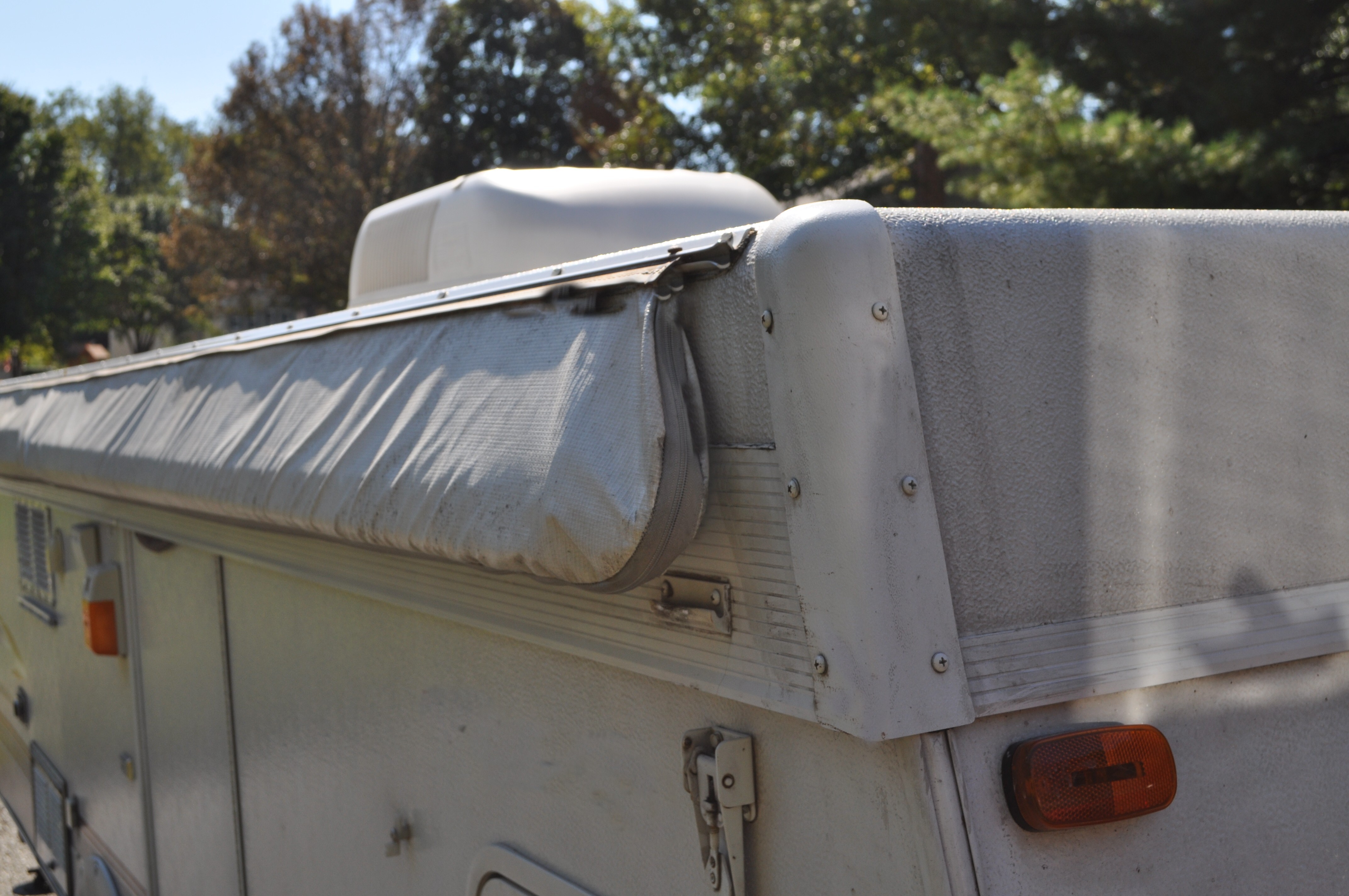
It appears that about 18 to 24 inches of the steel extrusion (gutter) that the awning is moved into has actually pulled away from the wall and turned a bit - Camper Service Center Riverside. I'm assuming the repair service will entail changing that entire size of rainfall gutter (10 feet?) and probably using bigger gauge screws to change those that were taken out
We have actually obtained damaged brackets on our camper awning. 2 months back, we had a bad tire blow-out that created a bent axle, significant repairs, etc, and we wonder if the brackets cracked/broke throughout the bouncy trip before we realized the axle was in difficulty. We have not had the awning out given that it remained in the store to be fixed.
Camper Air Conditioner Repair Near Me Riverside, CA
The awning itself, springtime mechanism, and so on, is great. The rear brace setting up is great, however the front one is cracked at the base and completely damaged through at the top, so that the top support arm no much longer attaches to the camper.
Even the real support arms are undamaged. They are white metal (? The real arms are completely normal/functionalI'm simply desiring to make sure we're not being taken in out of our anxiety (Camper Service Center Riverside).
Camper Repair And Service Riverside, CA
The Motor home is a 2007, but we had rainfall damages in 2010 and the entire awning was brand name new at that time. If nothing else, we would like suggestions as to exactly how we can "jerry rig" this for a while - maybe even get us with the summertime - without having to put in a brand new awning!
If we need to go awning-less, we will, yet I prefer to locate a quick and effective remedy. Any person? Please!.
!! I'm on action 5 of changing the roofing of my '93 Fleetwood Jamboree Searcher motorhome. In order to get rid of the 4th one, I need to remove the Recreational vehicle awning.
In order to replace the rubber roofing system and roof covering outdoor decking, I need to remove the awning. My recreational vehicle awning has legs which pivot at the base yet can be gotten rid of to establish on the ground. I pulled these out. Pushing this bar launches the foot of the awning legs.
Camper Repair And Service Riverside, CA
You'll likewise discover just how the brace is hooked on top of the trim molding that holds back the fiberglass panel in the back edge. That's why the awning needs to find off first prior to the last steps of this message (exposing the front and back sides of the roofing outdoor decking).
Here's a detail of exactly how the awning installing braces are screwed into the camper. I really did not in fact need to do this action till the awning was on the ground yet I noticed this established screw below holding the awning canvas into the awning rail (there's an additional at the appropriate end of the awning.) I proceeded and loosened it.
Once both screws are removed, merely draw back on the bracket. Unscrewing the large lag screws that hold the recreational vehicle awning mounting braces to the camper (with an outlet wrench) Removing the mounting bracket once the lag screws have been unscrewed. Note how this end was hooked over the discontinuation bar that secures the spherical edge at the back of the roof.
Both lag screws removed from the awning placing brace on the. Removing the placing brace of the awning. As soon as the mounting braces are separated, it's time to get rid of the awning rail. Keep in mind, the awning rail is generally similar to a regular item of light weight aluminum roof covering side trim molding except that at the lower edge there is a round track with a port in it.
Camper Services Riverside, CA
To change the roofing, this awning bar requires to be eliminated. Right here's a check out the round network at the bottom of the awning rail. The canvas for the awning slides into this track. Heads up! If you're simply replacing your awning and not repairing the entire roofing like me, after that you would not need to get rid of the awning rail.
Dropping the legs a few notches to lower the entire awning. Currently I can reach this trim molding (the awning rail) conveniently.
You might have to cut completion with an utility blade if it is covered under. After that just tug it out! When the plastic screw cover insert was out I removed the screws with a cordless drill and the outlet head from my ratchet screwdriver collection. This went pretty quickly.
As soon as the screws were out I started prying up the awning rail. (There will be some butyl tape or putty sticking it to the rubber under.) HEADS UP! When I started to pry off the awning rail, the whole point instantly snapped off and rolled up into the awning like a home window blind.
Pop Up Camper Canvas Repair Riverside, CA
Just understand it's coming! When the screws are removed, the awning rail can be pried up. You can see the edge of the rubber roof that was secured under it. Once you start pulling the awning rail away it will suddenly break complimentary and roll up like a home window blind with the awning.
This point is hefty so if you're functioning alone like me after that lower it the ground little bit by little by walking the legs far from the camper on each side one at a time till you can lay it on the ground. Then I turned the legs back up and out of the method against the camper.
These screws maintain the awning canvas from moving in the rail. Once they're eliminated the rail simply glides right off the canvas by gliding the entire rail to one side.
Camper Service Near Me Riverside, CA
When the 2 established screws were removed I can glide the whole awning rail right off the awning. Another appearance at the account of this trim molding (the awning rail) after it was removed.
I tore them out as finest I could. The fiberglass skin over the rounded change had some rusty staples quieting. I pried them out as finest I could. The next thing holding back the rv fiberglass siding panels is the edge trim molding shown right here. It has a vinyl screw cover strip placed, so again I just pried up the vinyl insert and pulled out sufficient so I could loosen some screw heads.
I may end up removing it later if I need to change the luan plywood underneath this fiberglass transition. To lift that, the corner molding must be gotten rid of.
I might turn the trim mold off the side sufficient to lift up the edge of the fiberglass panel. As soon as I could swing that piece of corner molding off the side, I began to pry up the fiberglass panel. It has adhesive under it and little bits of rusted staples and sheared off screws still holding it in position.
Camping Repair Near Me Riverside, CA
At that point I switched over from a scraper to 6 inch broad taping blade. I loosened up the other edge trim in the very same method, and bent it laterally just sufficient so that I could lift up the side of the fiberglass panel.
I located a number of water damages in the plywood under the fiberglass panel so I'll probably be replacing it. I had a considerable amount of water damage in the joint in between the rounded corner and the roofing system deck.
Rv Camper Repair Riverside, CA
The side of the roof covering outdoor decking is subjected at the back of the camper! I have actually subjected the roofing substrate at the back edge of the camper. Currently its time to discover the front edge.
Again, I tore that layer up too (there wasn't much stifling however adhesive now) and afterwards I could pull out the remainder of the rubber roof that was glued underneath it. Now I can take out the last little bit of rubber roof covering from below the fiberglass and luan plywood.
Rv Camper Ac Repair Riverside, CA
I saw there were no fasteners holding the roof covering plywood down. It was simply glued. So I started meticulously peeling it up. I might see the blue styrofoam insulation under the damaged locations of luan plywood on the roofing system. Notification there are no fasteners in any way holding back the roof covering plywood! It is totally glued.
Once I scraped up several of the damaged little bits I acquired a solid item of plywood and started to draw. The whole thing began to draw up easily unharmed without damaging the foam board insulation in any way. Currently I could see the steel framework beneath. But after that the plywood began peeling off up as one item, leaving all the styrofoam well undamaged.
There is a steel strengthened tape on the base that joins the assemble. I don't know exactly how precisely they handled to glue every little thing down so well and get this tape joining them from the underside, but it was well done. The pieces of roofing ply are joined together at the seams below with a metal-reinforced tape.
Camper Repair Places Near Me Riverside, CA
I quickly understood the roof covering was losing strength and tightness as I pulled up the leading layer, so broke it off right before the very first seam. A close up of the metal framing in the roof covering: one inch wide, one and a fifty percent inches high. Below's an information of the wiring in the insulation foam and the solid timber supports where the antennas screw right into the roof.

I located a lot of water damage in the plywood under the fiberglass panel so I'll probably be replacing it. I had a substantial amount of water damage in the joint in between the rounded corner and the roofing deck.
It's just standing out via the staples. Finally the edge of the roofing decking is exposed at the rear of the camper! OK! I have actually subjected the roof substratum at the back side of the camper. Now its time to find the leading edge. Exact same deal once again. Remove some screws from the edge trim holding down the fiberglass panel.
Once more, I pried that layer up as well (there wasn't much quieting yet adhesive at this point) and then I could tug out the remainder of the rubber roofing that was glued below it. Camper Service Center Riverside. Currently I can draw out the last bit of rubber roof covering from below the fiberglass and luan plywood
Camper Awning Replacement Riverside, CA
I discovered there were no fasteners holding the roofing plywood down. I might see the blue styrofoam insulation below the damaged areas of luan plywood on the roof. Notification there are no fasteners at all holding down the roofing plywood!
As soon as I scratched up some of the busted little bits I acquired a strong item of plywood and began to draw. The whole thing started to bring up easily intact without harming the foam board insulation at all. Currently I can see the steel framing below. However then the plywood began peeling up as one item, leaving all the styrofoam well undamaged.
There is a steel enhanced tape under that signs up with the pieces together. I do not recognize exactly how precisely they managed to glue everything down so well and obtain this tape joining them from the bottom, but it was well done. The pieces of roof covering ply are joined with each other at the seams beneath with a metal-reinforced tape.
I swiftly realized the roofing was losing toughness and tightness as I drew up the top layer, so cracked it off just prior to the very first seam. A close up of the steel framework in the roofing: one inch wide, one and a half inches high. Right here's a detail of the wiring in the insulation foam and the strong wood reinforcements where the antennas screw right into the roof covering.
Pop Up Camper Repair Riverside, CACamper Awning Replacement Riverside, CA
Camper Repair Riverside, CA
Camper Repair Riverside, CA
Camper Service And Repair Riverside, CA
Camper Repair Places Near Me Riverside, CA
Camper Trailer Service Near Me Riverside, CA
Camper Roof Replacement Riverside, CA
Camper Repair Near Me Riverside, CA
Camper Services Riverside, CA
Pop Up Camper Roof Repair Riverside, CA
Camper Roof Repair Near Me Riverside, CA
Camper Services Riverside, CA
Camper Repair Shop Near Me Riverside, CA
Pop Up Camper Repair Near Me Riverside, CA
Camper Trailer Service Near Me Riverside, CA
Pop Up Camper Roof Replacement Riverside, CA
Camper Repair Riverside, CA
Camper Trailer Repair Near Me Riverside, CA
Rv Camper Repair Riverside, CA
Pop Up Camper Repair Near Me Riverside, CA
Rv Camper Ac Repair Riverside, CA
Camper Awning Repair Riverside, CA
Camper Roof Repair Near Me Riverside, CA
Camping Repair Near Me Riverside, CA
Camper Air Conditioner Repair Near Me Riverside, CA
Camper Air Conditioner Repair Near Me Riverside, CA
Camper Service Near Me Riverside, CA
Camper Roof Replacement Riverside, CA
Camper Service Near Me Riverside, CA
Pop Up Camper Roof Repair Riverside, CA
Camper Roof Replacement Riverside, CA
Rv Camper Repair Near Me Riverside, CA
Camper Repair Near Me Riverside, CA
Camper Repair Places Near Me Riverside, CA
Camper Roof Replacement Riverside, CA
Rv Camper Repair Riverside, CA
Pop Up Camper Repair Near Me Riverside, CA
Rv Camper Repair Near Me Riverside, CA
Camper Awning Replacement Riverside, CA
Camper Awning Repair Riverside, CA
Camper Repair Shop Riverside, CA
Camper Service Center Riverside, CA
Camper Roof Repair Riverside, CA
Camper Trailer Repair Riverside, CA
Camper Air Conditioner Repair Near Me Riverside, CA
Camper Trailer Repair Riverside, CA
Camper Service Near Me Riverside, CA
Camper Repair Near Me Riverside, CA
Camper Repair Shop Near Me Riverside, CA
Camper Roof Repair Riverside, CA
Camper Trailer Repair Riverside, CA
Rv Camper Repair Near Me Riverside, CA
Pop Up Camper Roof Repair Riverside, CA
Camper Awning Repair Riverside, CA
Camper Repair Near Me Riverside, CA
Camper Repair Shops Near Me Riverside, CA
Camper Awning Repair Riverside, CA
Camper Repair And Service Riverside, CA
Rv Camper Repair Riverside, CA
Camper Air Conditioner Repair Near Me Riverside, CA
Camper Awning Repair Riverside, CA
Pop Up Camper Roof Replacement Riverside, CA
Camper Roof Repair Riverside, CA
Camper Service And Repair Riverside, CA
Pop Up Camper Canvas Repair Riverside, CA
Camper Repair Riverside, CA
Camper Services Riverside, CA
Camper Roof Replacement Riverside, CA
Camper Roof Replacement Riverside, CA
Camper Roof Replacement Riverside, CA
Camper Roof Repair Near Me Riverside, CA
Camper Trailer Service Near Me Riverside, CA
Camper Service Center Riverside, CA
Camper Roof Replacement Riverside, CA
Pop Up Camper Repair Riverside, CA
Camper Air Conditioner Repair Near Me Riverside, CA
Camper Repair Near Me Riverside, CA
Finding A Good Seo Agencies Riverside, CA
Affordable Seo Expert Riverside, CA
OCRV Center

Table of Contents
- – Camper Repair Shops Near Me Riverside, CA
- – OCRV Center
- – Camper Air Conditioner Repair Near Me Riversid...
- – Camper Repair And Service Riverside, CA
- – Camper Repair And Service Riverside, CA
- – Camper Services Riverside, CA
- – Pop Up Camper Canvas Repair Riverside, CA
- – Camper Service Near Me Riverside, CA
- – Camping Repair Near Me Riverside, CA
- – Rv Camper Repair Riverside, CA
- – Rv Camper Ac Repair Riverside, CA
- – Camper Repair Places Near Me Riverside, CA
- – Camper Awning Replacement Riverside, CA
- – OCRV Center
Latest Posts
Local Seo Near Me Chino Hills
Web Page Designers Near Me La Habra
Anaheim Seo Internet Marketing Services
More
Latest Posts
Local Seo Near Me Chino Hills
Web Page Designers Near Me La Habra
Anaheim Seo Internet Marketing Services