All Categories
Featured
Table of Contents
- – Rubber Roofing For Rv Chino, CA
- – OCRV Center
- – Epdm Rv Roof Repair Chino, CA
- – Best Rv Roof Repair Chino, CA
- – Rv Trailer Roof Repair Chino, CA
- – Rv Rubber Roof Repair Chino, CA
- – Class C Rv Roof Repair Chino, CA
- – Class C Rv Roof Repair Chino, CA
- – Rv Roof Maintenance Chino, CA
- – Rv Rubber Roof Repair Chino, CA
- – Rubber Roof Installation Chino, CA
- – Rubber Roofing For Campers Chino, CA
- – Rv Slide Out Roof Repair Chino, CA
- – Class C Rv Roof Repair Chino, CA
- – Rubber Roofing For Rv Chino, CA
- – Rv Rubber Roof Replacement Cost Chino, CA
- – Rv Fiberglass Roof Repair Chino, CA
- – OCRV Center
Rubber Roofing For Rv Chino, CA
While you're cleaning, scuff off any kind of debris or old roof product, however take care while you do this as you could quickly extend a tear, or even punch an opening through the roof. You need to then dry the roof as best as you can. Note: Rubber RV roof coverings can be very slippery when damp.
After the roof covering is tidy, you are going to wish to inspect the seams for openings, fractures or peeling, so you can reseal anywhere essential. You'll want to make a factor of resealing all seams once a year whether or not they show indications of wear.
Epdm Rv Roof Repair Chino, CA
When it comes to selecting the very best RV roofing system sealer, you'll want to consider whether you are fixing a tear, resealing a joint, or sealing the entire roof covering. The kind of roofing system is likewise crucial to keep in mind, as RV roofing systems can be made from either EPDM (Ethylene Propylene Diene Monomer) and TPO (Thermal Polyolefin) and you need the product you utilize to be suitable with your roofing type.
Dicor Self-Leveling Lap Sealer is an excellent option for looking at old roof seals. It can be used for area sealing or to reseal every joint on the RV roofing. Just clean up the area well and apply with a caulk weapon. Right stuff will level itself out, so don't fret about that component.
Best Rv Roof Repair Chino, CA
Similar to the EPDM system listed above, this finish product will cover your TPO roofing and assist it last one more 10 years. Before EPDM and TPO, steel was the product of selection for Recreational vehicle roofs.
The previously mentioned EternaBond is still king when it involves repairing tiny problems on a metal roofing system. It likewise works well for sealing seams. RV metal roof coverings do need to be totally resealed periodically. House roof covering finishes will certainly seal a steel roof simply great, but the very best product by far, for metal roofing systems, is Dicor Metal Recreational Vehicle Roofing Layer.
Rv Trailer Roof Repair Chino, CA
Make sure to reseal whenever necessary and make a factor of resealing all of the joints as soon as every one year or so. Dicor Self-Leveling Lap Sealer works well for this work. If your fiberglass roofing system needs to be covered, Dicor Fiberglass Roof Covering Coating is a good pick. First, you'll need to get rid of the existing roof.
Do this in small pieces the whole time the roofing system, cutting openings in the rubber roof covering for any kind of attribute that will certainly return right into the roof covering. Change your roof covering's followers, skylights, and Air conditioner unit. Seal each seam with the lap sealer we pointed out earlier. You'll additionally intend to apply lap sealer to the sides of the roofing system.
My recreational vehicle roof covering that requires to be replaced! Welcome to my RV Improvement Series!.?.!! So you desire a RV yet can not afford one. If you resemble me and have more time than cash, after that perhaps your ideal choice is to purchase an old recreational vehicle and fix it up. If you happen to discover a truly bargain, after that possibilities are it has water damages.
Rv Rubber Roof Repair Chino, CA
I obtain it. I purchased my RV over a year ago and really did not have the guts to start tackling this job till today. But I'm right here to tell you, if I can do it, you can do it. Can I actually do it? Stay tuned and find out! I acquired this 1993 Jamboree for $5000.
I have actually never worked on a Recreational vehicle prior to and I have to admit, I'm frightened. With any luck if you're thinking about doing this yourself, following along on my Motor home roofing system replacement project will offer you the guts to dive in! The tools I used today.
Class C Rv Roof Repair Chino, CA
That seemed to be my most affordable choice.
I figured I would rather have it semi-portable so I went with the canopy, plus this enables me to change the height backwards and forwards when I require to. Certainly the most affordable alternative of all would be to simply toss a good tarpaulin over the top of your RV for rainy days and just work on sunny days! Originally I increased the legs with 1 1/2 PVC pipeline that fit inside the legs and then I connected a pipe clamp around the PVC pipe to stand up the cover legs.
I sawed 1 1/4 square legs from 24's to place inside the canopy legs (once more holding the canopy up with pipe clamps.) and reinforcing the 4 edges with an extra 24 screwed to it. This is still a little drooping. I most likely must have handed over for some inflexible steel pipeline from the beginning.
An old spot task on the RV rubber roof covering. As you can see, this roof has had a lot of concerns over the years.
Class C Rv Roof Repair Chino, CA
I got hold of an energy blade and started cutting. The first point I noticed is that there were two layers. On the bottom is the initial EPDM rubber roof layer. I know it's EPDM rubber and not TPO rubber as a result of the black backing. (TPO roof is white on both sides.) On top of my EPDM roof covering is a slim recreational vehicle roofing covering that was used later.
I simply left the roofing finish stuck to the EPDM roof and drew them up together. Beginning to peel off roofing system finish.
Rv Roof Maintenance Chino, CA
I cut lines with an utility blade around fixtures. All rubber roofing removed from camper. This step went pretty swiftly. There was a glue under the bottom layer of rubber that was still rather well stuck in numerous locations, yet with a good little bit of pressure it peeled up easily.
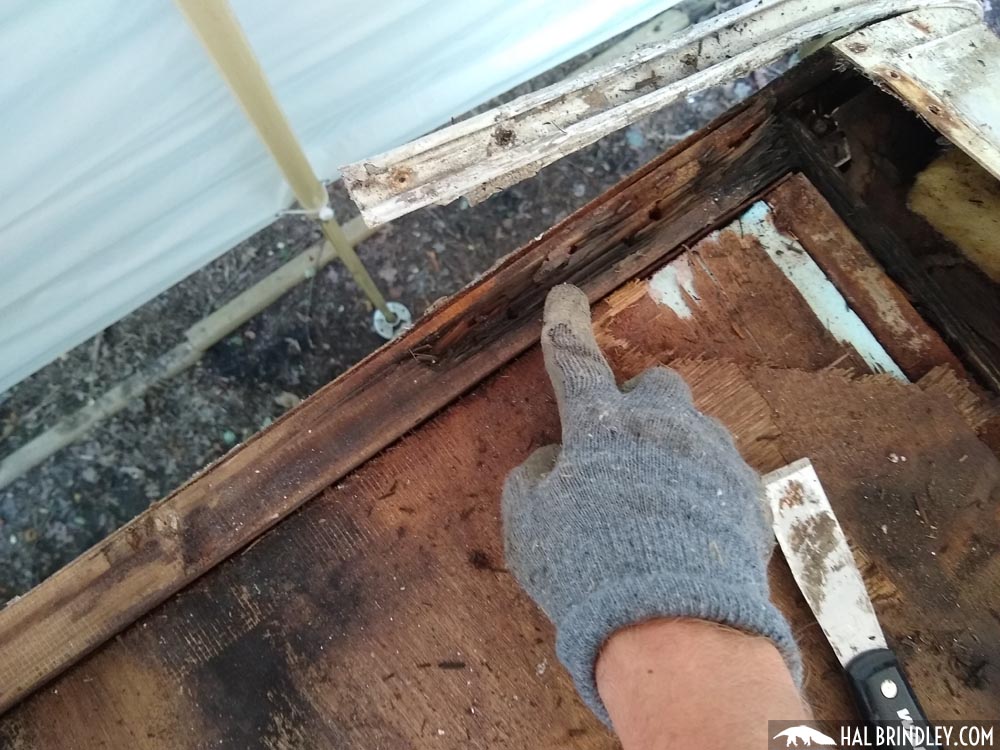
Now I could see all the harmed plywood roof covering decking under. HEADS UP! You may not desire to peel off the rubber! I picked to remove the rubber prior to getting rid of fixtures so I might see what I was managing. Yet I need to caution you, the old adhesive was still sticky, and a pain to stroll on.
If you think you'll be saving the roofing outdoor decking plywood (not changing it), then you may conserve on your own some cleanup trouble by eliminating the fixtures initially and after that peeling off up the rubber! More water harmed locations on Motor home roof decking.
Rv Rubber Roof Repair Chino, CA
I went for the simplest one initially, an air vent cap from a kitchen sink plumbing vent pipeline. There is no other way around this, you simply have to begin excavating until you expose the screw heads.
Unscrewing the screws in vent cap. The screws on this air vent cap were hex-head steel screws so I used a small socket motorist to remove them.
I found an old wasp nest inside the air vent cover. This is a sight I'll possibly need to obtain used to, discovering the remains of pet habitation high and low. I spend a dreadful great deal of my time creating excellent wild animals habitat in my backyard so I don't obtain annoyed when an animal chooses to establish up home in my recreational vehicle.
Rubber Roof Installation Chino, CA
Thankfully no one was home in this old nest so I just threw it. Perhaps I'll place a display over it when replacing it. Which brings us to the following factor. You should try not to damage these pieces (like air vent covers and caps) as you're scratching off the old caulk and sealer just in situation you require to use them once again.
One down, 7 more components to go. Next I determined to deal with the only roofing system air flow follower that my camper has - Rv Fiberglass Roof Repair Chino. My roof covering vent likewise had an air vent cover over it. So I started scratching the substance from those screws. Beginning on the roofing system vent. Hardware revealed on roof air vent cap, the initial nut came off clean.
Rubber Roofing For Campers Chino, CA
The bolts on this Recreational vehicle roofing system air vent cover were nuts on little screws. The 2nd one simply started spinning, indicating the bolt was not repaired in area but turning along with the nut. A peek at the hardware holding down the roofing vent cover.
I didn't have any kind of excellent way to hold the bolt in location so rather I chose to saw via the screws with a reciprocating saw. Sawing through bolts on roofing system vent cover. I used a cordless reciprocating saw with a metal-cutting blade but it was complicated to obtain the blade flat enough to get to the bolts so near the roof deck.
Rv Slide Out Roof Repair Chino, CA
Bending the blade a little bit to get to close to the roofing deck. Cover eliminated from roof covering air vent.
I scuffed more caulk and roofing system sealer off the flange of the roofing system vent itself. I quickly found there were no much more screws or equipment holding it down so I provided up on the scraping and went inside the Recreational vehicle After scuffing the caulk and sealant from flange of roofing system air vent, no more screws!
Class C Rv Roof Repair Chino, CA
A couple sheared off with a lot of force, however two wouldn't move. So I needed to drill out the screw heads. I picked a drill little bit close to the dimension of the shaft of the screws that I had actually currently taken out and started drilling. Selecting a drill bit for drilling out a screw head.
Shatterproof glass advised. So I pierced out the heads, one stood out off and the other I was getting annoyed with and offered it a tug prior to it was pierced with. Rather than popping off the screw head, the plastic just dissolved around the hot screw head. Whoops. Hope I don't have to reuse this cover.
Rubber Roofing For Rv Chino, CA
All edge braces got rid of, ready to take out. Once the braces were out I went back up leading to tear out the the roofing system air vent. Then I scraped up all the continuing to be cruds and rubber roof. Lifting off the old roof covering air vent. There are 2 cables going to the roof covering vent (a black hot wire and a white neutral wire) that you'll require to clip to get rid of the old vent.
These are the cords connecting the roof covering airing vent fan. I clipped them just over the blue splice joints. Roofing system air vent removed and tidied up. After clipping the cord and getting rid of the vent, I cleaned up any kind of remaining goop and obtained my initial good check out the roofing system frame. It's metal! 1 1/2 inches thick.

Some recreational vehicle roofs are framed with wood, others have metal framing. I had no idea what was in my camper until this factor. Not also happy regarding the quantity of corrosion on it, however hopefully it is still structurally sound! I removed some corrosion and made a large mess inside the washroom.
My last objective of the day was to get the fridge vent cover off. I observed RV sealant blobs at 4 factors on the cover so assumed there have to be screws under them.
Rv Rubber Roof Replacement Cost Chino, CA
Exposing the screws in the refrigerator air vent cap. Peeling off old RV roofing finishing on top of fridge air vent cap I also observed that there was a layer of motor home roof finishing over the air vent cap. These coverings are painted on with a brush so clearly whoever did this covering simply blobbed know top of whatever.
Lifting off the cover of the refrigerator roof covering air vent. Reducing away more rubber and scratching off Recreational vehicle roofing system sealer and old caulk. Scraping lap sealant and caulk from screw heads.
Some screws will be as well rusted and require pliers to remove. Prying off the fridge roof vent after all screws are gotten rid of. (and the devices used.) Nearly every screw was in adequate problem to eliminate with a socket motorist, but a pair were as well rusty and needed to be twisted out with vice grasp pliers.
Rv Fiberglass Roof Repair Chino, CA
I peeled the continuing to be rubber roof from under the flange and afterwards scraped off the old putty underneath. I'll cleanse it much better if and when I determine to recycle it. Seems like it's in good form so I possibly will. Scuffing off the old putty from the flange of the refrigerator roof covering air vent.
Rv Roof Leak Repair Chino, CARubber Roofing For Campers Chino, CA
Rv Roof Replacement Chino, CA
Rv Roof Repair Near Me Chino, CA
Resealing Rv Roof Chino, CA
Rubber Roof Installation Chino, CA
Rubber Roofing For Rv Chino, CA
Rv Roof Leak Repair Near Me Chino, CA
Motorhome Roof Replacement Chino, CA
Rv Rubber Roof Repair Chino, CA
Rv Trailer Rubber Roof Repair Chino, CA
Rv Roof Repair Fiberglass Chino, CA
Rv Rubber Roof Maintenance Chino, CA
Repair Rv Roof Chino, CA
Rv Trailer Rubber Roof Repair Chino, CA
Rv Fiberglass Roof Repair Chino, CA
Rv Roof Leak Repair Near Me Chino, CA
Rv Rubber Roof Replacement Cost Chino, CA
Rv Roof Maintenance Chino, CA
Rv Roof Repair Chino, CA
Rv Roof Repair Chino, CA
Replace Rv Roof Chino, CA
Rv Roof Repair Near Me Chino, CA
Rv Rubber Roof Replacement Chino, CA
Rv Roof Leak Repair Near Me Chino, CA
Rv Rubber Roof Maintenance Chino, CA
Rubber Roof For Camper Chino, CA
Rubber Roof Installation Chino, CA
Rv Roof Repair Service Near Me Chino, CA
Repair Rv Roof Leak Chino, CA
Rv Roof Maintenance Chino, CA
Rv Roof Repair Fiberglass Chino, CA
Rv Roof Leak Repair Near Me Chino, CA
Rv Roof Repair Service Near Me Chino, CA
Rv Roof Replacement Chino, CA
Rv Slide Out Roof Repair Chino, CA
Rubber Roof For Rv Chino, CA
Rv Roof Repair Service Near Me Chino, CA
Rv Trailer Rubber Roof Repair Chino, CA
Repair Rv Roof Leak Chino, CA
Rv Trailer Roof Repair Chino, CA
Rubber Roofing For Rv Chino, CA
Resealing Rv Roof Chino, CA
Rv Roof Repair Service Near Me Chino, CA
Rv Roof Leak Repair Chino, CA
Rv Roof Repair Near Me Chino, CA
Rv Trailer Rubber Roof Repair Chino, CA
Class C Rv Roof Repair Chino, CA
Rv Roof Leak Repair Near Me Chino, CA
Rv Trailer Rubber Roof Repair Chino, CA
Rv Roof Repair Service Near Me Chino, CA
Repair Rv Roof Chino, CA
Repair Rv Roof Chino, CA
Rv Rubber Roof Maintenance Chino, CA
Rv Roof Maintenance Chino, CA
Rubber Roof Installation Chino, CA
Rubber Roofing For Rv Chino, CA
Rubber Roofing For Campers Chino, CA
Rv Roof Repair Service Near Me Chino, CA
Rv Rubber Roof Maintenance Chino, CA
Class C Rv Roof Repair Chino, CA
Rv Roof Leak Repair Chino, CA
Rv Rubber Roof Replacement Cost Chino, CA
Repair Rv Roof Chino, CA
Rv Rubber Roof Replacement Cost Chino, CA
Rv Slide Out Roof Repair Chino, CA
Motorhome Roof Replacement Chino, CA
Rubber Roof For Rv Chino, CA
Repair Rv Roof Chino, CA
Replace Rv Roof Chino, CA
Epdm Rv Roof Repair Chino, CA
Rubber Roof For Rv Chino, CA
Rubber Roofing For Rv Chino, CA
Rv Trailer Roof Repair Chino, CA
Rv Roof Repair Service Near Me Chino, CA
Rv Roof Repair Service Near Me Chino, CA
Replace Rv Roof Chino, CA
Rv Roof Repair Near Me Chino, CA
Near Me Seo Company Near Me Chino, CA
Near Here Seo Agencies Chino, CA
OCRV Center

Table of Contents
- – Rubber Roofing For Rv Chino, CA
- – OCRV Center
- – Epdm Rv Roof Repair Chino, CA
- – Best Rv Roof Repair Chino, CA
- – Rv Trailer Roof Repair Chino, CA
- – Rv Rubber Roof Repair Chino, CA
- – Class C Rv Roof Repair Chino, CA
- – Class C Rv Roof Repair Chino, CA
- – Rv Roof Maintenance Chino, CA
- – Rv Rubber Roof Repair Chino, CA
- – Rubber Roof Installation Chino, CA
- – Rubber Roofing For Campers Chino, CA
- – Rv Slide Out Roof Repair Chino, CA
- – Class C Rv Roof Repair Chino, CA
- – Rubber Roofing For Rv Chino, CA
- – Rv Rubber Roof Replacement Cost Chino, CA
- – Rv Fiberglass Roof Repair Chino, CA
- – OCRV Center
Latest Posts
Local Seo Near Me Chino Hills
Web Page Designers Near Me La Habra
Anaheim Seo Internet Marketing Services
More
Latest Posts
Local Seo Near Me Chino Hills
Web Page Designers Near Me La Habra
Anaheim Seo Internet Marketing Services